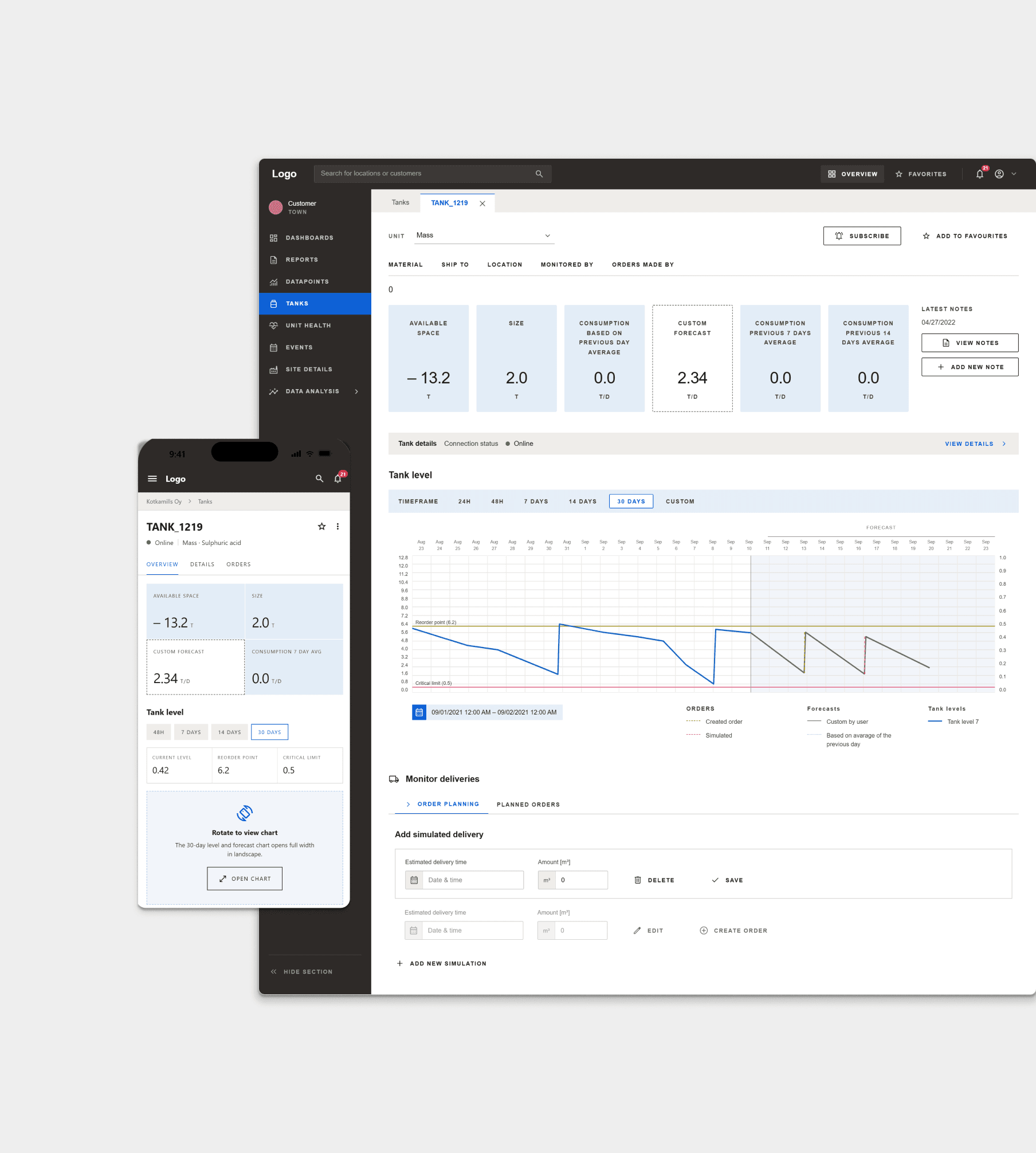
Industrial Data & Expert Interface Design
Built practical expert tools for industrial data workflows, making complex calculations and monitoring more reliable for specialists.
View case study →Case study
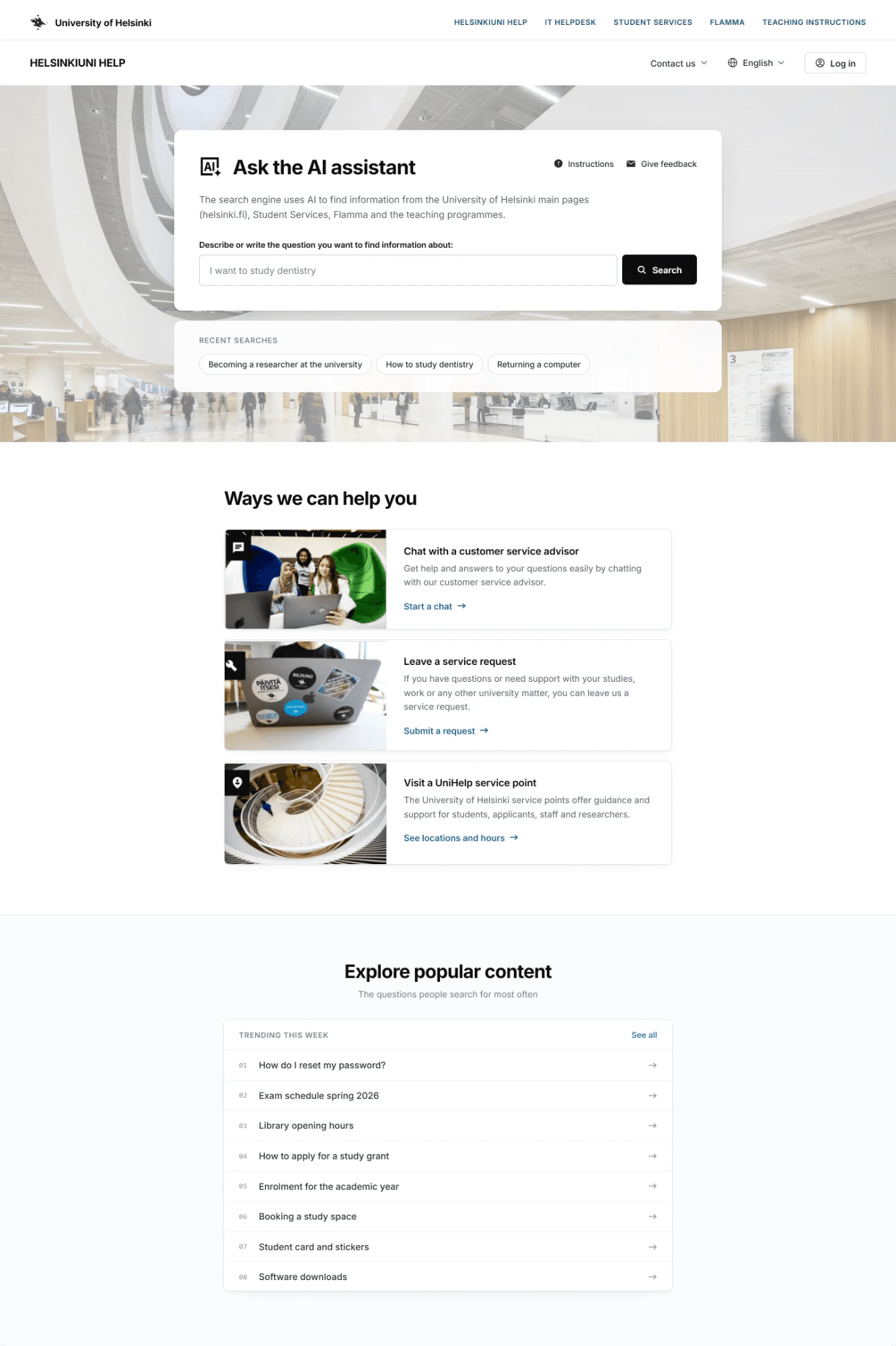
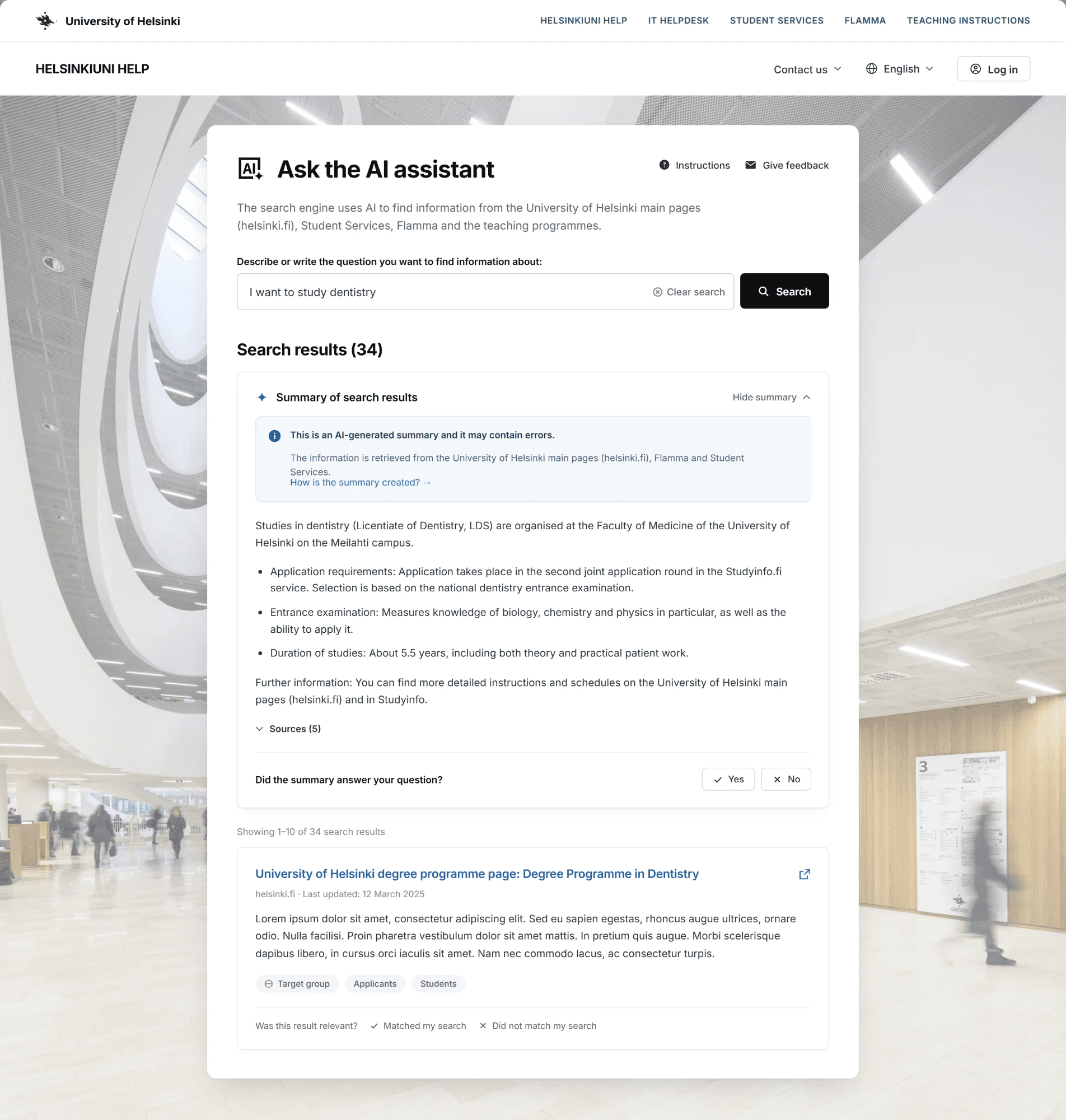
AI Search PlatformAn AI-powered search and service hub that lowers support pressure and helps students find what they need on their own.
Role: Senior UX & Product Designer
Focus: UX/UI Design, AI search flow, service architecture, Design System adoption, post-launch iteration
Starting Point
A major university had information scattered across many separate websites, so students, staff, and visitors often didn't know where to start looking. I joined as Senior UX & Product Designer to turn early concepts into real screens, test them with users, and shape the first version people could actually use.
Selected screens
Desktop and mobile, one platform
The Impact
These impacts were confirmed through user interviews and surveys carried out after launch.
People found answers much faster, whether through AI search, messaging, forms, or an in-person service desk, while private staff data stayed safe behind a login.
As AI search and self-service handled more of the simple, everyday questions, staff had more room to focus on situations that genuinely needed a person's attention.
Because the service was designed to be accessible and mobile-friendly from the start, more people could use it independently, including on their phone, on the go, or with assistive technology.
For anyone new, whether a first-year student or a visitor, finding the right help used to mean knowing where to look first. Now it takes one entry point instead of navigating the university's structure blindly.
How it started
A major university had information scattered across many different websites, making it hard for students, staff, and visitors to find help.
Service designers had already done the early research and mapped out the initial idea for a central service portal. My job as Senior UX & Product Designer was to turn those early concepts into real screen designs, test them with actual users, and refine them for the first product launch (MVP).
After launch, I stayed on to collect real user feedback and keep improving the service based on how people actually used it.
Challenges & Problem-Solving
What I would do differently
Other case studies
Built practical expert tools for industrial data workflows, making complex calculations and monitoring more reliable for specialists.
View case study →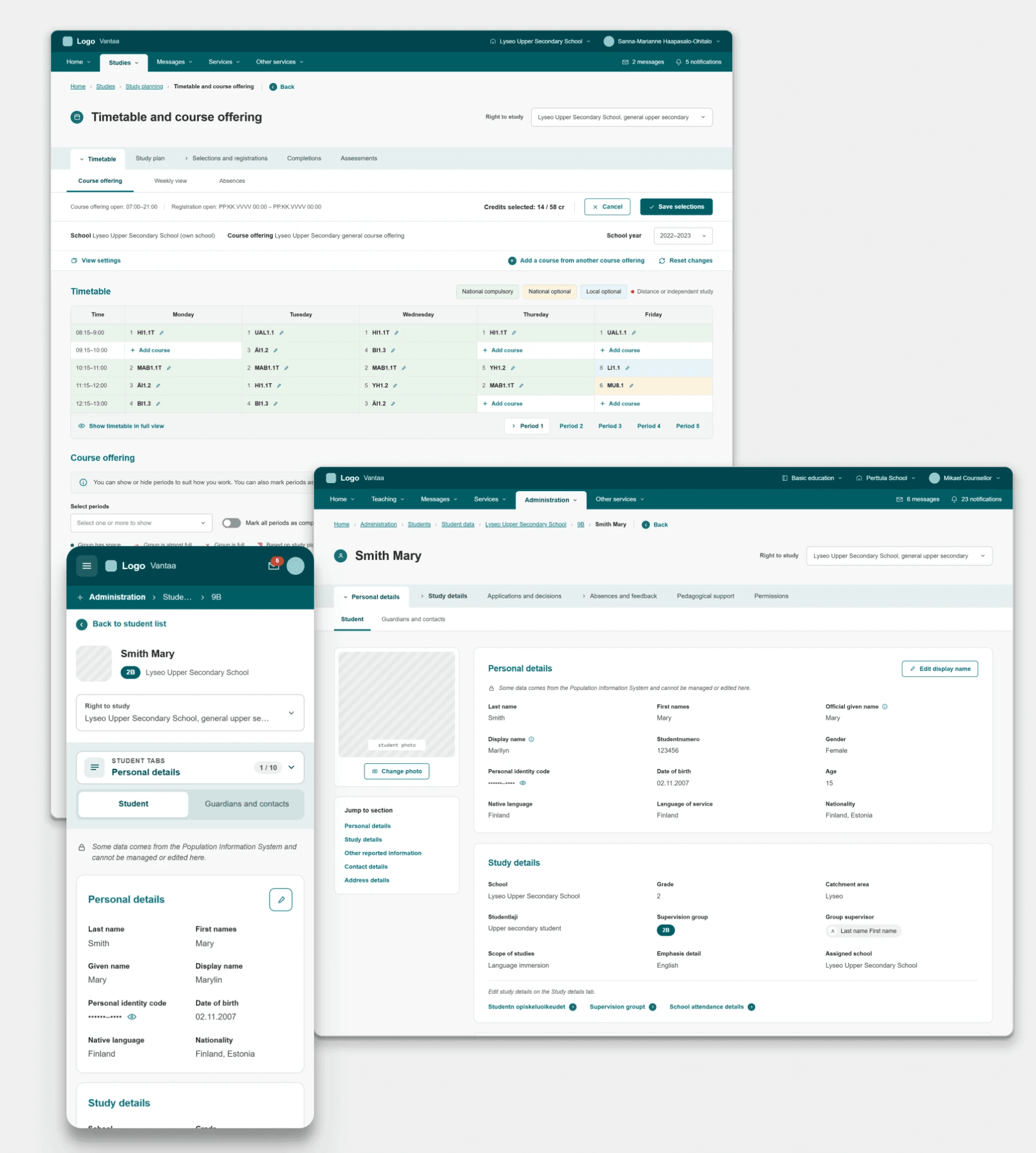
Brought structure to a massive public sector platform by uniting complex municipal school workflows into a clear, accessible tool for teachers and administrators.
View case study →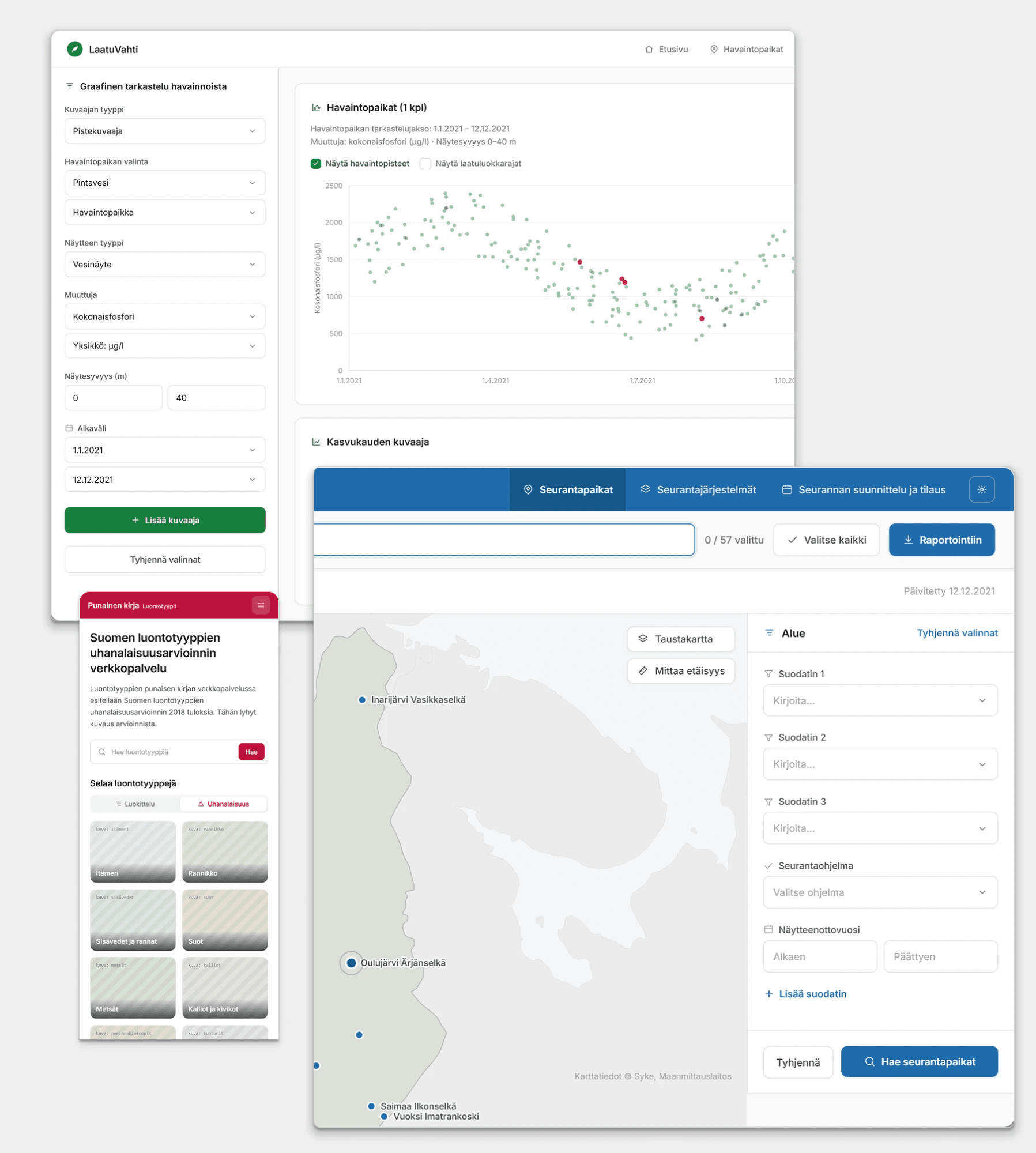
Transformed outdated legacy systems into modern, efficient tools that help environmental researchers manage and analyze critical data.
View case study →Currently in process
A personal design system covering tokens, components and documentation, built to show how I structure and maintain a system end to end.
View case study →